MC 2 JAPAN CUTS Deeper Into Movies

Love and peace

This is a banner year for the annual JAPAN CUTS film festival, which looks to celebrate its tenth anniversary this summer, and marks its second edition as a fully independent entity. We can see it here continuing to redefine itself with the continued push into new directions – documentary films are even more prominent, and workshops on experimental film continue to happen, yet are joined by a collection of 30 minute movies by new artists that will run continuously in a room that all can visit. Not only is its programming more expansive, but there is a marked focus on serious films. Most of the slate is grounded in reality, its best films often grounded dramas, with fantastical elements far less prominent than in previous years and light, airy entertainment little to be seen. The landscape is notably characterized by voices decrying injustice and seeking to illuminate, even come to grips with terms with challenging circumstances. The world-weariness of the fest may very well be a reflection of the frustrations and concerns of a current generation of filmmakers, as well as the elder representatives of Japan’s film scene returning, perhaps reminded by current political climates of situations they rallied against once before.

The cast of characters in this year’s onscreen world looks like a rogue’s gallery of freedom fighters, revolutionaries, teachers going against the grain, as well as those trapped in the margins of a society turning its back on those who are different or lack the economic resources to get by. Those characters reel in psychic pain or strike out in the form of drug dealers or those who have turned to petty crime to support their artistic endeavors. The stories of those who have been spurned by the world and lash out in turn are as compelling as those who are striving to save it.
A Cappella_450

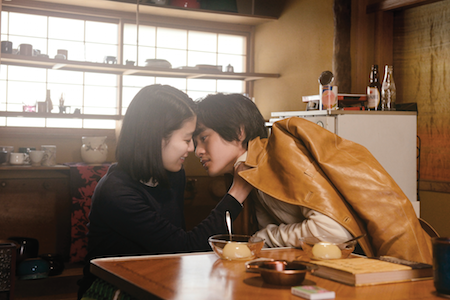
A CAPELLA looks at students in the throes of the anti war movement of the 70s who meet at a smoky café to discuss their activity and favorite art. Its female lead played by Riko Narumi is striking as both a fiery and ruminative girl on the verge of adulthood. While there is a palpable backdrop of activism, the story zooms in on the relationships she and her peers forge, filled with betrayal and sexual frankness. The characters here often feel like they are just playing at being revolutionaries and this is very much the point, as we see these far too young individuals struggling to be leaders in a fight against apparent oppression yet find love, belonging as their ids rage during the tumultuous time. The tone of the film and Narumi’s performance will linger on the brain days after viewing.

Kako

KAKO: MY SULLEN past is a more contemporary tale that sees radicalism as the background of a tale of growing up and facing a mysterious figure from the past. The narrative brims with mystery as Kako (Fumi Nikaido), a scornful sardonic student’s world is disrupted by the return of a woman in her family named Mikiko (Kyoko Koizumi). There is a tension as strange disappearances are spoken of and reported on in the news and the behavior of those around them become strange. The sparring of accomplished leads from different generations in Kikaido and Koizumi is exhilarating.
Artist of Fasting_03_XL

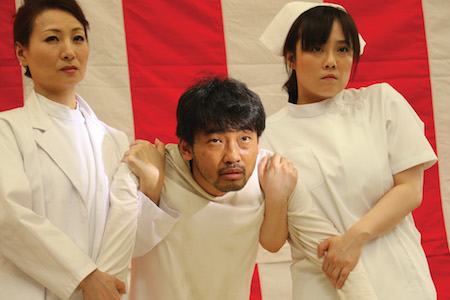
THE ARTIST OF FASTING comes from Masao Adachi, a director with years of experience, and feels very much like an artifact harkening back several generations yet comes to us from 2015. It shows a man who dedicates himself to fasting for 40 days in hopes of finding enlightenment, who does so in the unglamorous street of a shopping arcade. A circus of media frenzy, religious and political groups, and radical organizations erupts around him in a decidedly dark and unhinging viewing experience.

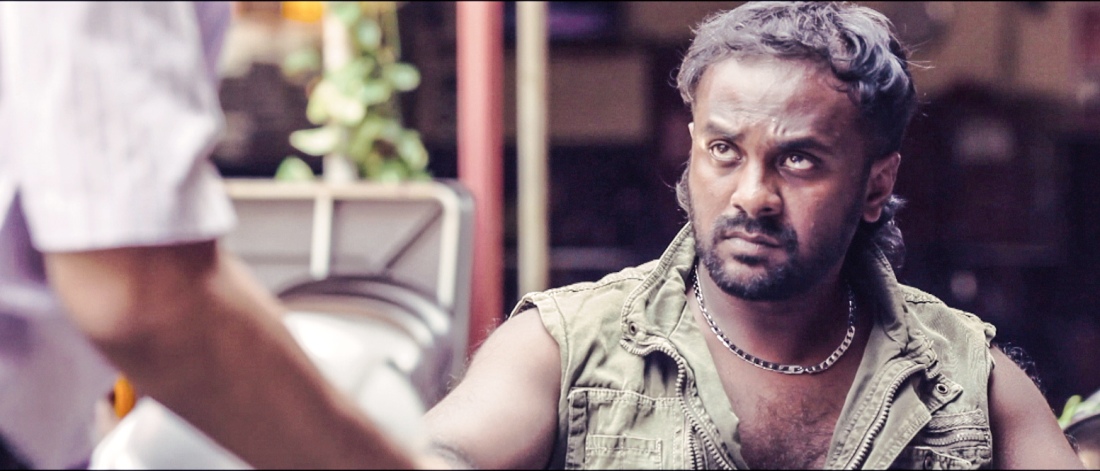
A male elementary school teacher (played by Kenga Kora) is one of the protagonists in BEING GOOD, which lays bare the disconnect among adults over raising children. Abuse at home and the trail it brings into the classroom is shown with a matter of fact cataloguing of gripping real life horror. Steadily and almost unnoticeably at first, characters build the resolve to follow their convictions to bring about the change that they can.

Bitter Honey_Main_XL

Not so new to the realm of Japanese film are examinations of interpersonal relationships, a source of endless wonder in a society still marked by gender inequality and strict rules of conduct. BITTER HONEY navigates a relationship between male and female, artist and muse in a tale that incorporates playful magical elements. While it is mostly flirty and perplexing, the shifting tones land on an explosive exchange between writer and muse (Fumi Nikaido in another mesmerizing performance) that gets to the core of struggles over desires for commitment and freedom.

The best moments of THE ACTOR are also its bookends, in which an actor who is respected, seasoned yet far removed from the spotlight has an encounter tinged with romance with a bartender he meets in a small town he stops at for work. In these brief but patiently paced exchanges, The possibility of the two falling in love is thrown up against real life problems of family situation and the pursuit of one’s individual goals, and it quickens the pulse to see.

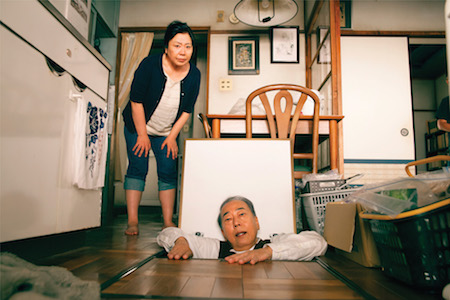
MOHICAN COMES HOME and THE PROJECTS are noisy dramas with plenty of comedic relief that aim at families veering off from the traditional notion of conventional. The returning MOHICAN sees his dreams of rock stardom dashed early on but his visit to his family finds him facing more universal plights such as a family illness. The film shows how devastating it can be while also finding unique ways to point out the little everyday moments of heroism among us. THE PROJECTS shows paranoia run rampant in a housing development populated by the elderly and those in less secure financial situations. The squabbling among tenants as they gossip over what the mysterious activity of an older couple who has recently moved in, and is dealing with their own tragic loss, is filled with unrestrained hilarity. The verbal exchanges both within and around the couple take from and center stage, even more compelling than the off kilter fantastical element that makes it ways into the story.

Maneuvering around this year’s festival may present a challenge. The schedule is not set at so much of a leisurely pace as past years, but comprises 10 days densely packed with films and talks. Within is a great variety of focuses. A new focus looking back to films of the past looks at less widely known yet important works that dealt in dark matter. Here there is Sogo Ishii’s BURST CITY with similar industrial shades as TETSUO: THE IRON MAN and a punk intensity running throughout. A section of documentaries offers an early look at FAKE, whose controversial subject Mamoru Samuragochi was both acknowledged as a musical genius and discredited in turn.
Lowlife Love_main_XL

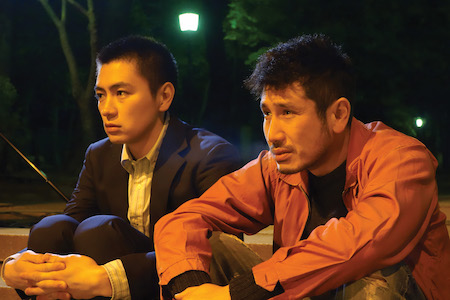
Here and in other cases across the diverse lineup, the participation of guests working on both sides of the camera will create immediate dialogue between creator and audience. The troubling narrative LOWLIFE LOVE, whose central figure is a driven independent filmmaker prone to pushing around students and blurring lines between professional and sexual relationships with his crew, will no doubt generate questions about whether parallels exist between character and real life director Eiji Uchida. It is a dizzying array of guests, both young upstars and established figures the likes of which include director Mipo O who masterfully helmed last year’s CUTS highlight THE LIGHT SHINES ONLY THERE and this year’s BEING GOOD, actor/artist Lily Franky and composer Ryuichi Sakamoto.

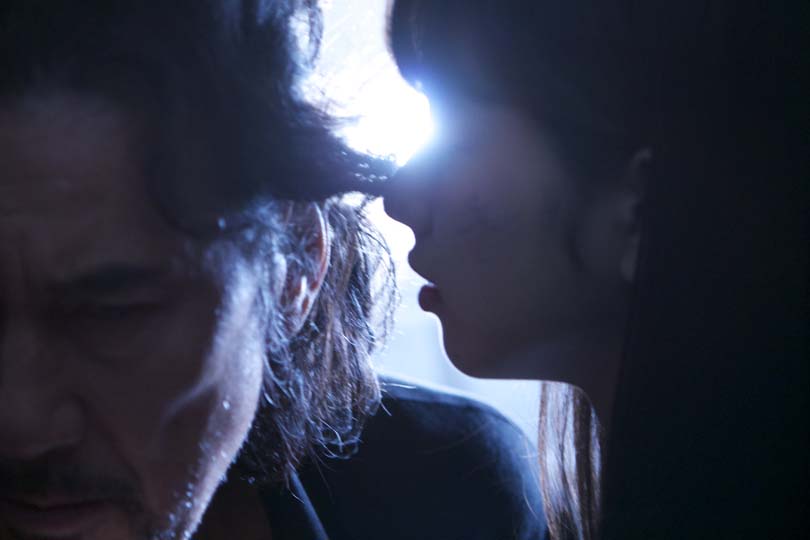
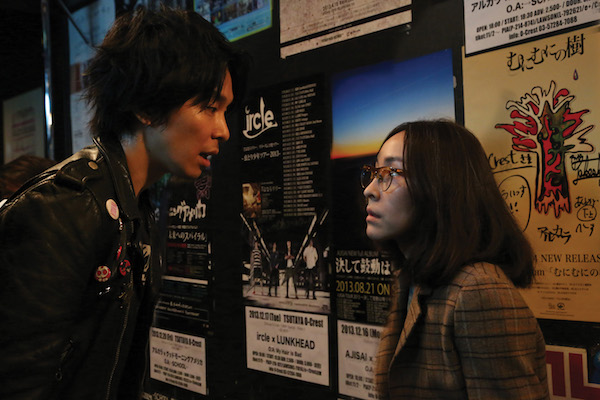
Sono Sion, director of many a festival favorite whose works have been celebrated in previous editions of JAPAN CUTS and other festivals, will also be on hand as he is given a brief multidimensional focus. Documentary THE SION SONO gives vital insight into the filmmaker’s guiding principles, formative years, and creative process going into a few recent films, one of which, WHISPERING STARS will also be shown. It is destined to be one of the director’s more esoteric experiments with a decidedly entrancing black and white aesthetic but little narrative substance to carry the stark vision of science fiction. The day long focus is balanced out by the director’s recent hit LOVE AND PEACE, which arguably puts the best of Sono on display including an intricate plot, frenetic music both within and outside of the story, and themes that find a collective Japan wrestling with its own identity. The only signature element missing is gore, making the film more accessible yet leaving just as much of a mark.
The Projects_main_XL

While the action on screen is mostly somber, a burst of fantasy and perhaps a bit of optimism comes through in a collection of short experimental animated films culled from the works of new artists. Yet there is still a look to the past. Think of trippy psychedelic works such as PLANET SUAVAGE and even the recently unearthed BELLA DONNA as stylistic influences. TENSAI BANPAKU is a fast moving swirl of bright color patterns that playfully manipulates shapes and lines while MASTER BLASTER is a slinky roughly drawn cycle of female figures moving into and out of each other with uninhibited abandon, set to a jazzy score recalling the ‘70s. Another work, LAND walks a deft line between that surreal aesthetic and more precise renderings brought about by digital technology.

While grim portents run throughout this year’s movies, JAPAN CUTS has intensified its vision and secured itself a promising future as an essential survey of Japanese film. For more information and tickets about screenings and events, visit JAPAN SOCIETY website.
 

MC 1.5: HEART ATTACK aka FREELANCE @ NYAFF ’16

Still008

One of this year’s two Thai imports on the New York Asian Film Festival slate has a very special something with potential to be a runaway audience favorite. The modern-feeling HEART ATTACK is clever, with razor sharp witty dialogue (if any nuance was lost in translation then the original Thai script must be a sheer brilliant act of word play), yet emotionally moving to such a degree that hearts will ache for its young crestfallen characters.

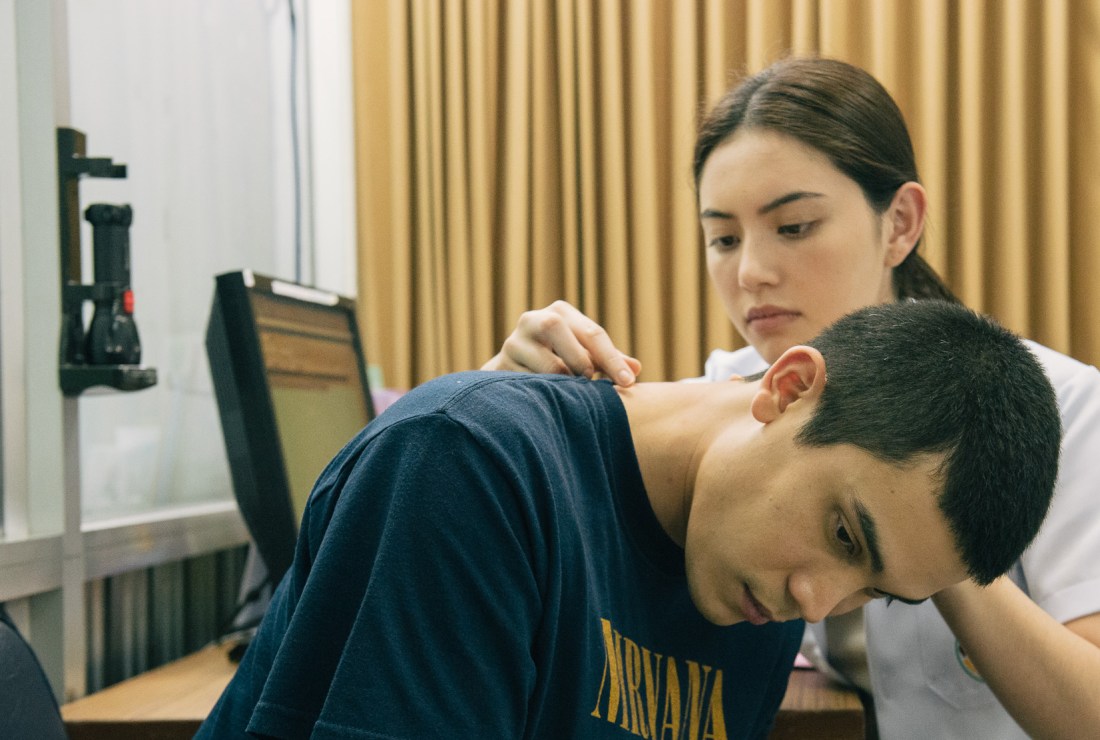
At its center is Yoon, a hopelessly withdrawn workaholic firmly set in a realm of freelance graphic designers. He represents a figure of legendary status among his peers. He narrates his journey, at first extolling the virtues of going days without sleep, and along the way decrying unnecessary obstacles to his career path such as a diet varied beyond his favorite 7-11 shrimp dumplings or shopping for clothes (his wardrobe is a consistent rotation of 90s grunge band t-shirts.   If played straight such a lifestyle could cause awe and consternation, but Yoon emits a playful, wide-eyed charm as he stubbornly holds fast to his folly.

With nothing impeding Yoon’s single-minded commitment to completing jobs, his body finally revolts by producing pock marks at an increasingly alarming rate. Doctor visits would appear to be futile in bringing about any positive change save for a fortuitous public clinic pairing with a little-experienced doctor who Yoon finds attractive.

The unexpected promise of human interaction, perhaps even romance, with a compatible peer gives Yoon reason to change but this self-preserving drive is still at odds with his hardwired habits. Which force will prevail becomes a major question of the narrative. Humanity surfaces in all kinds of disarming and amusing ways as the clever protagonist struggles to break away from what he has always done, even as he realizes it is what is best.

The telling of Yoon’s tale is one of the things that makes this film stand out. It moves quickly, hits an even balance of the main character’s lighthearted reproachful behavior and more serious heartbreaking failures to connect. Different energetic background music clues you to the mode of each scene, but also playfully stops midway to show an awareness that a subtle manipulation is taking place. One cannot help but notice the striking similarity between the free jazz percussion that scores Yoon’s trip into isolated work obsession and a certain anti-superhero film that won all kinds of awards in 2015, but otherwise the score feels refreshingly progressive.

That HEART ATTACK isn’t just a film that compels us to see if the guy and girl get together, but shows the potential of positive change to occur in even the most hardened cases, making it a universal winner. Though not all that concerned with the superficiality of an increasingly touch-up image conscious society, it is an incisive look at obsession with productivity. It is a sly turning the tables on the usual notion of slackers being flawed in the face of earnest hard workers.

Looking at the history of NYAFF Audience Award Winners, filled with countries of origins that have considerably widely established film scenes – Japan, Hong Kong, China, Taiwan – wouldn’t it be a remarkable for this year’s champion to be from Thailand? It would seem the perfect finishing touch for this 15th anniversary edition of the festival, never resting its laurels on what has worked before, and giving a significant focus to films South East Asia.

HEART ATTACK (FREE LANCE) is being screened at the Walter Reade Theater Sunday, July 3, at 6:30 PM. Visit the Subway Cinema website for details and tickets.


MC 1.4: JAGAT/Brutal @ NYAFF ’16

still 3

#mellowcrimewave

The screening of Malaysian drama JAGAT at this year’s New York Asian Film Festival is yet another feather in the annual cinematic summer happening’s plumage of rare and unusual imports to New York City. Past standouts have been the propaganda-laden feel good story COMRADE KIM GOES FLYING from North Korea and SELL-OUT, a musical comedy with audience participation sing-along, (hailing from a far more metropolitan Malaysia.

What JAGAT brings to the screen is a by now classic story of youth learning hard life lessons, the kind that lead to dark futures difficult to acknowledge. However, at times the story’s telling is so far removed from narrative sensibilities familiar in areas with prominent movie industries (as well as those influenced by them), it promises to leave some viewers feeling something askew. No doubt lending to the singularity of the film is its being helmed by a first-time director in Shanjhey Kumar Perumal.

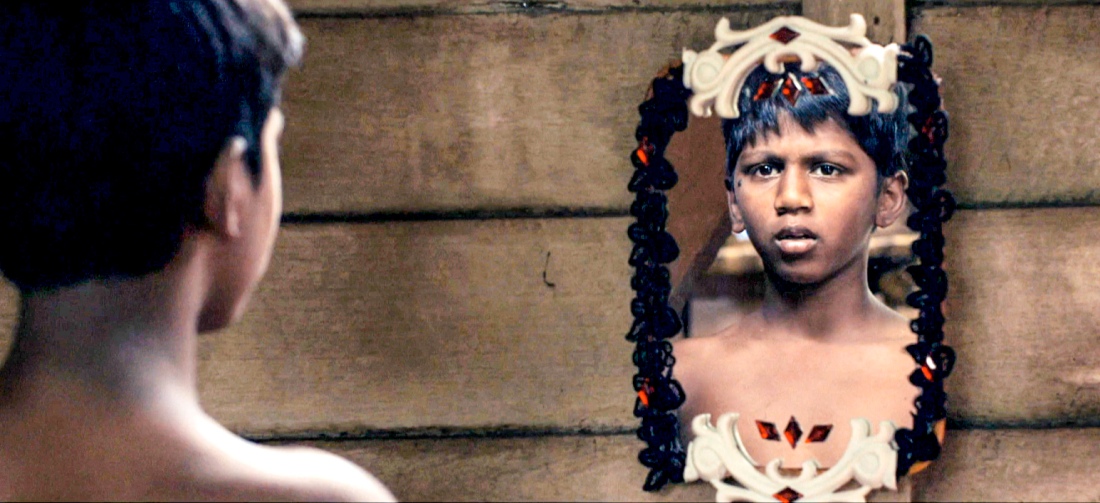
The film first sets its focus on Appoy, a likable and thoroughly relatable middle school aged child who sways to a very different rhythm than his traditional teachers and working class father (a truly imposing figure) who espouse strict old school values. It is the stuff of stories from the good old days, with the resourceful child angling a mirror so he can watch his favorite crime dramas on the family television, and dad coming home in a poster-ripping rage when the absent minded son cannot remember what he did with a work ID card.

At the same time, another narrative unfolds involving some of Appoy’s uncles who are connected to gang that runs increasingly afoul of criminal activity. Pointed conversations suggest a running internal conflict within the Tamil immigrant characters between living modestly and seizing power by more ruthless means.

A combination of experiences that find his creativity unwelcome by those in position of authority, and the influence of those he looks up to reveling in roguish activities sets off a change in Appoy, one the viewers are left to ponder as the movie comes to a close.

A barebones production is made up for by impassioned performances and a clever script; one in which Appoy’s antics often induce laughter and the subtle threat of violence among the older characters occasionally unsettles. The movie’s unique allure includes a remote small town setting presented without any polishing up and music baring the influences traditional influences that together with scenes of local rituals creates a stormy psychedelic effect.

Where JAGAT proves a bit bewildering is an uneven narrative path, including a rather abrupt montage that advances parts of the story a bit too inscrutably. One can also infer cultural and/or government restrictions coming into play, as there is virtually no onscreen violence save a few afterschool scuffles between Appoy and neighborhood bullies. The realism in these scenes do prove to add a surprisingly unnerving element, though.

Despite, and sometimes because of its rough patches, JAGAT is an absorbing blend of classic tale and unconventional storytelling. Seeking it out not only supports a new, compelling voice in cinema, but is also a nod of approval to the New York Asian Film Festival’s continued commitment to bringing unique and far flung programming.

still2
Tamil tough

The New York Asian Film Festival continues its run through July 9 at the Walter Reade Theater and SVA theater. Visit the Subway Cinema website for more information and tickets.


MC 1.2: Twisted Justice/日本で一番悪い奴ら(NYAFF16)

nichiwaru_keyart01
© 2016 TWISTED JUSTICE Film Partners

#mistercriminal

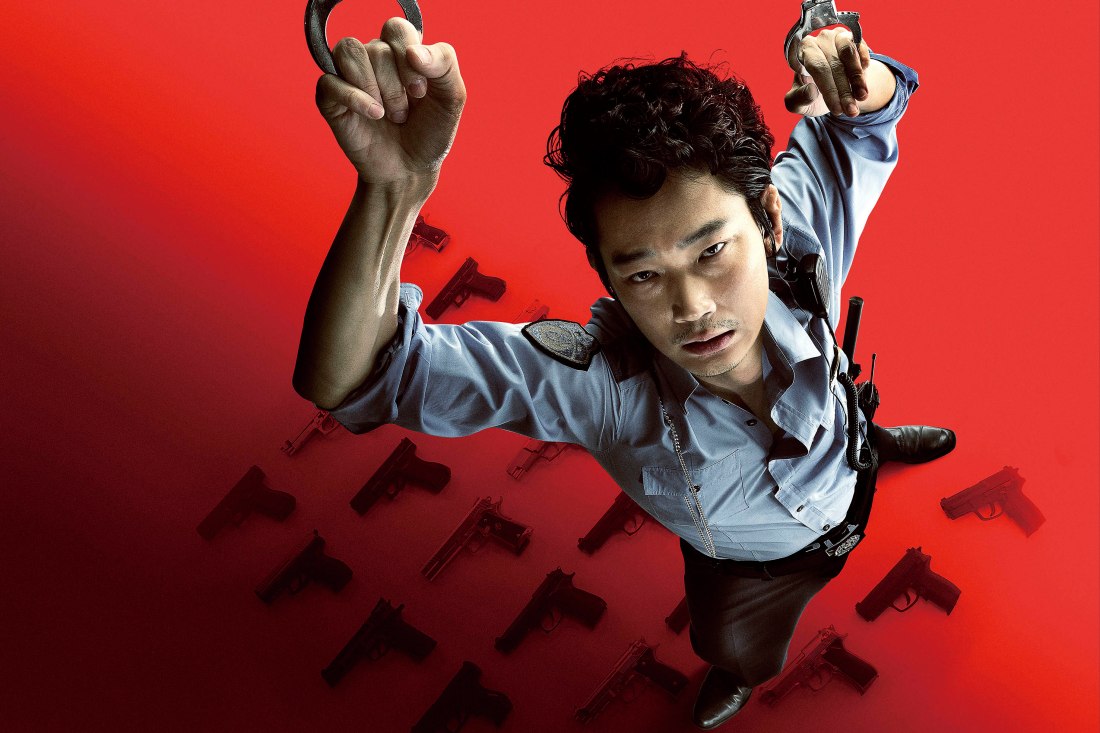
By the time we reach the end of TWISTED JUSTICE’s convoluted police corruption tale spanning the 70’s, 80’s and 90’s, it might be difficult to remember just what was the first link in the chain of immoral acts. It all starts with a young judo competitor named Moroboshi Yoichi being recruited to the Susukino (a crime ridden entertainment district) branch of Sapporo’s police force because it will bring their team a coveted championship. When the dust has settled, the ripple effect of this seemingly innocuous transgression is astounding.

The true impetus for the spiral out of control comes when a crooked senior cop (played by Pierre Taki, whose performance one again leaves a frighteningly indelible mark in a Kazuya Shiraishi film) begins to mentor the novice after taking a liking to him. Or perhaps not so much taking a liking to as receiving a rub to his ego by keeping him in his company. One striking element of the narrative is the virtual absence of any pure friendships, as everyone expresses a perceived financial or psychological benefit from the relationships they forge. A well intentioned ex-convict and hallucinogenic drug user describes how becoming Moroboshi’s subordinate on the wrong side of the law makes him feel like he can become a big deal. A fledgling female police officer who later joins the police force enjoys a boost to her self-esteem by being with Moroboshi at his most swaggering. And in one of several scenes of depraved sexuality, Moroboshi excites himself to climax by crying out how his love connection will bring him acclaim and help his star rise.

TWISTED JUSTICE is director Kazuya Shiraishi’s second feature film to take on the true crime genre and is evidence of an artisan thriving in his element. In a departure from the mood of slow creeping dread established in previous film THE DEVIL’s PATH, this is by design a lopsided, sprawling affair. The film’s off-kilter funky middle east tinged tune is puzzling when it first hits the ears but soon comes to perfectly suit the eccentricities. Rather than build an intricate plot piece by piece, Shiraishi sets up a landscape of lunacy gone unchecked with Moroboshi’s part in it taking center stage.

It is full of local color: The tacky flashiness of chinpira suits, giant crabs feasted on straight off the shore, and steaming bowls of curry create an appealing sort of low rent decadence as Moroboshi’s foraging into Sapporo’s underground leads to unlikely territory involving Pakistani nationals and hot car lots.

The often flailing occurrences of interagency conflict and blatant disregard for law and decency reach absurd heights as plans are made in Moroboshi’s department to purchase firearms so they can be reported found, giving credit to their agency. It is a display of the cost of results being pursued at any means that cuts as deep as the best of The Wire. Things become so far gone that when the bottom finally falls out, it is a shock to the senses.

Go Ayano plunges into the lead role, pulling off a riveting on screen transformation, from tepid ‘yes man’ to swindling operator and beyond. When Moroboshi is humbled to cowering in a life or death situation, the acclaimed actor’s (who was invited to the NYAFF for the screening to be bestowed with a Rising Star Award) depiction calls to mind Choi Min Sik’s unrestrained emotional performance in past NYAFF highlight NAMELESS GANGSTER. And the movie is a similarly jaw dropping character study, yet all the more curious for its anchoring in reality.

In this time of Asian film when director’s names are becoming more numerous but output less consistent, it is encouraging to see a director hitting his stride with uncompromising gritty celluloid visions.

TWISTED JUSTICE (or NIHON DE ICHIBAN WARUI YATSURA) received its World Premiere screening at the New York Asian Film Festival and is now playing in theaters throughout Japan. For more information about the New York Asian Film Festival’s programming, visit the Subway Cinema website.

MC 1.3: Ayano Go and Kazuya Shiraishi @ NYAFF ’16

IMG_2804

#mastercharisma

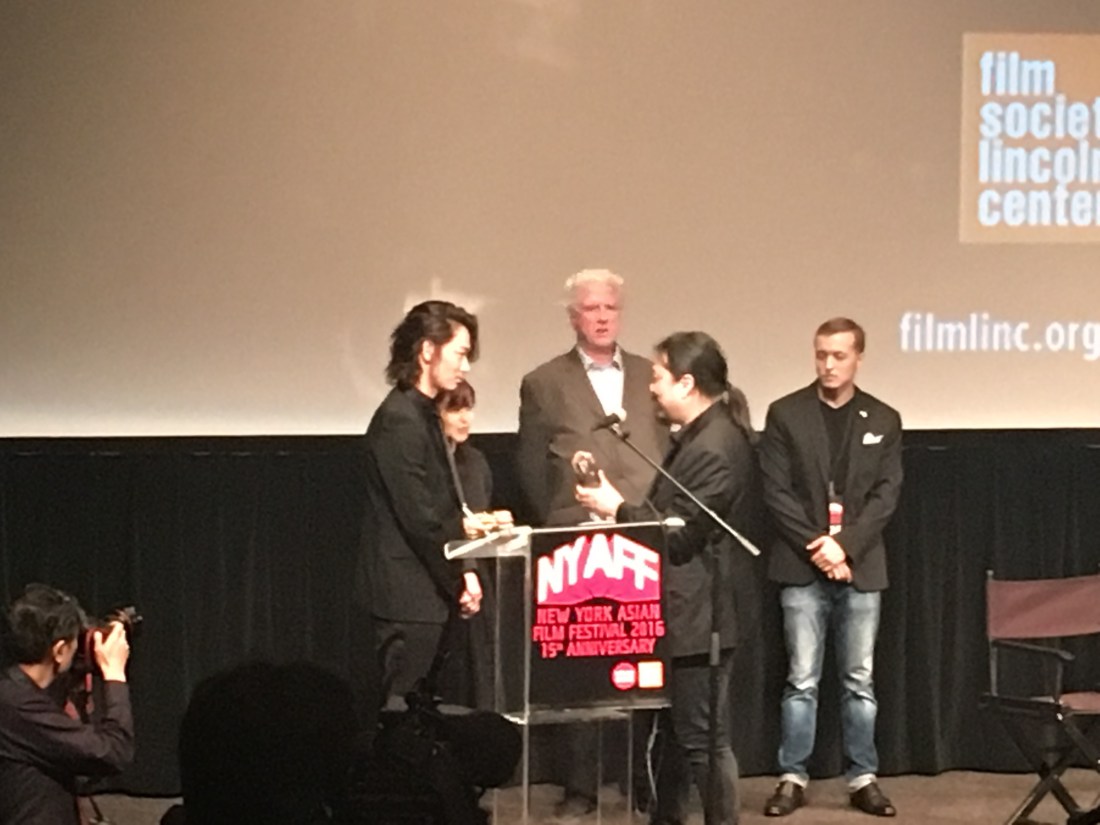
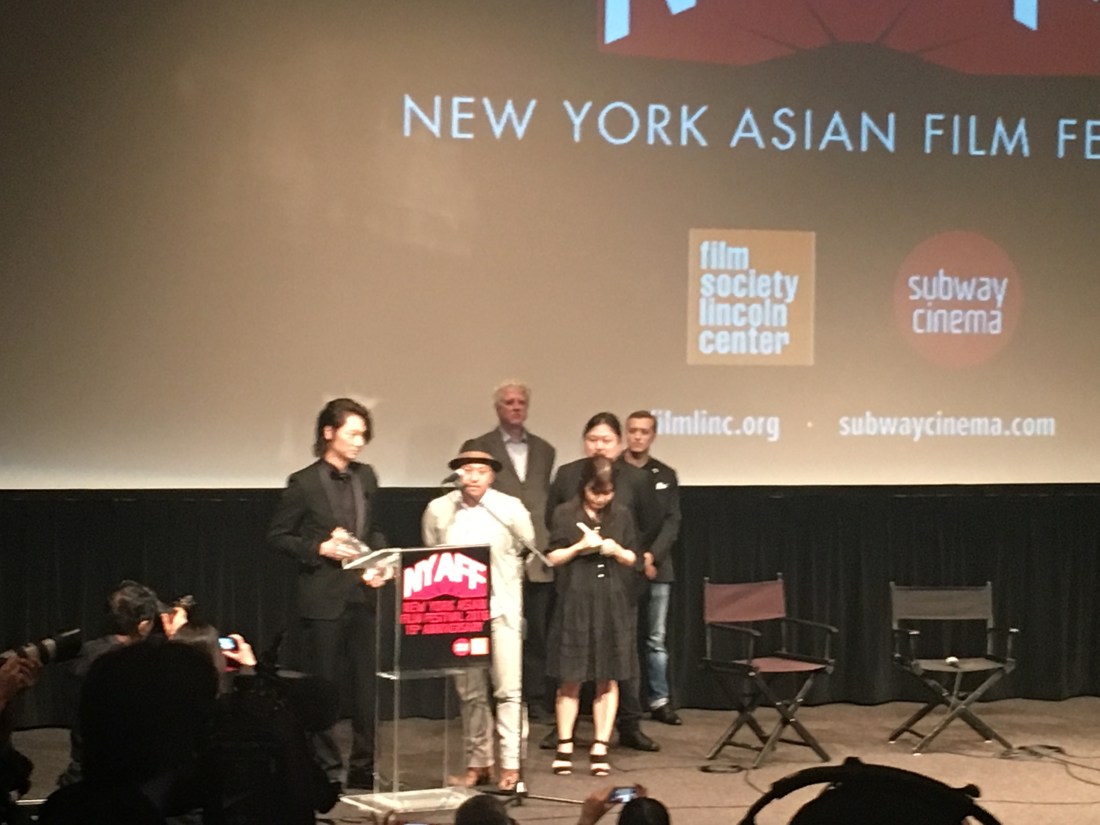
The New York Asian Film Festival has always brought with it a diverse slate of international imports both forward looking and peppered with nods to the past. In this fifteenth anniversary year, the festival scored a real coup with its nabbing of the Japanese true crime and corruption drama TWISTED JUSTICE/にほんでいちばんわるいやつ, which they were able to give its world premiere screening right as the film was being prepped for a domestic theater run.

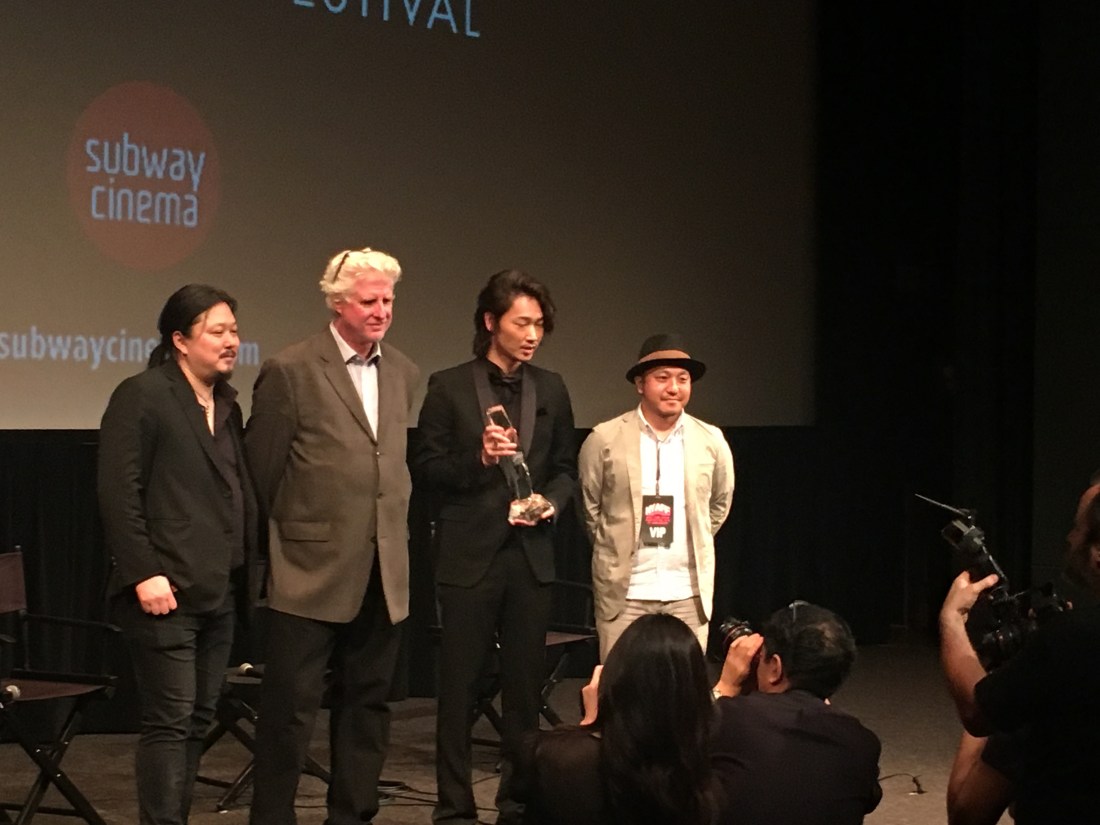
This created the perfect platform for them to honor lead actor Ayano Go with their Screen International Rising Star award. It is hard to imagine a performance more indicative of being worthy of accolades. …JUSTICE is a gritty yet often amusing tale of corruption gone unchecked with an unparalleled head case for a character (who lends credence to the saying ‘truth is stranger than fiction’) at the center of it all. Ayano delves into the character full on, bringing to life his many nuances as he goes from deferential lackey to hotheaded breaking down doors.

The film is an accomplished work that holds nothing back as it casts a critical look at law enforcement agencies running rampant with immoral activity so director Kazuya Shiraishi’s return to the film’s second festival screening was very welcome. This is his second feature film focusing on true crime (the previous one THE DEVIL’S PATH was co-presented by NYAFF and Japan Cuts in 2014) and is indicative of an accomplished storyteller coming developing a powerful arsenal.

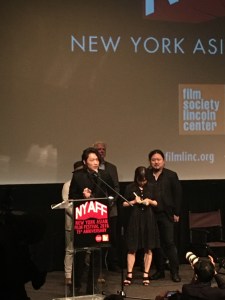
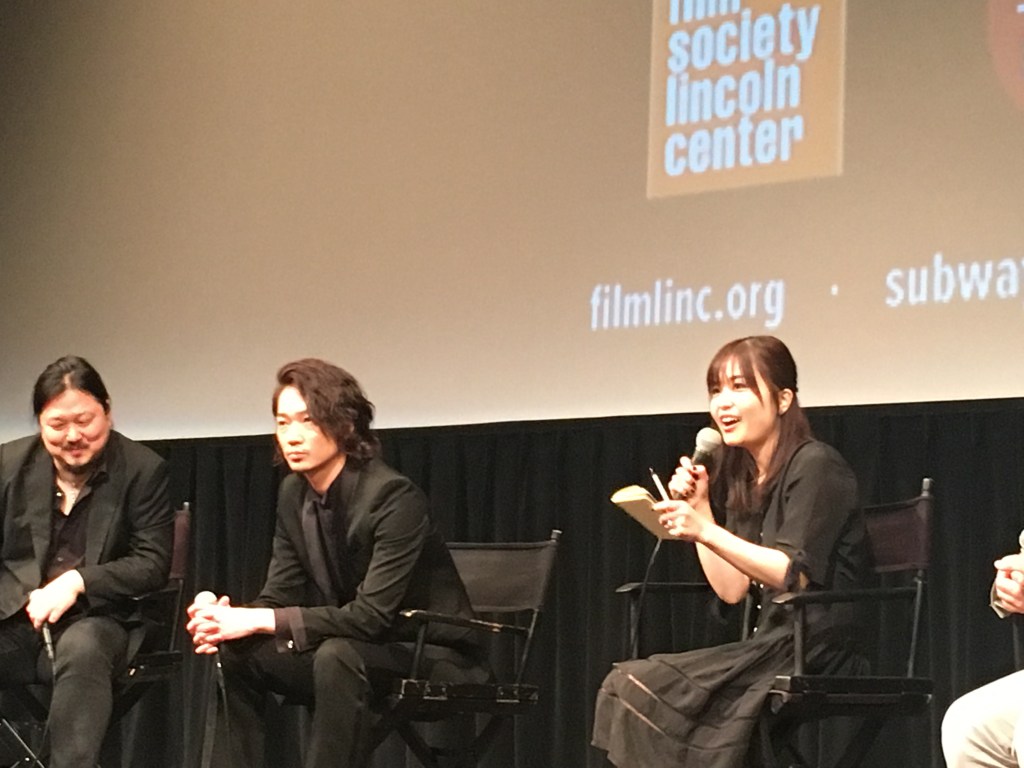
After the award presentation and screening, the pair discussed the making of the film with NYAFF executive director Samuel Jamier. Highlights included details of their discussions with the real life Moroboshi when researching for the film. But Ayano Go’s presence itself was something to behold. He carried himself with poise, gratitude and humility. It was an amazingly stark contrast to the wild-eyed, womanizing hedonist he portrayed onscreen.

IMG_2802IMG_2806IMG_2804IMG_2812IMG_2815IMG_2821IMG_2824IMG_2825IMG_2828IMG_2831IMG_2834IMG_2839IMG_2845

Visit Subway Cinema for more details on the New York Asian Film Festival, which rages on through Saturday, July 9.

MC 1.1: IF CATS DISAPPEARED FROM THE WORLD/世界から猫が消えたな (nyaff15)

If_Cats_Disappeared_main
“IF CATS DISAPPEARED FROM THE WORLD” © 2016 TOHO CO., LTD. / Hakuhodo DY Media Partners Inc. / Shogakukan Inc. / AMUSE INC. / CROSS COMPANY INC. / Magazine House Co., Ltd. / Lawson HMV Entertainment , Inc. / Sony Music Entertainment (Japan) Inc. / KDDI CORPORATION / GYAO Corporation / NIPPON SHUPPAN HANBAI INC.

#moderncamera

This elegantly heartrending movie gets right to the core of some of our modern existence’s cruelest contradictions: To experience love for people and things, we must also know the sensation of losing them. With the acquaintance of delightful new friends comes the inevitability of goodbyes. Is it a manner by which the universe maintains some semblance of balance? Or is it little more than life’s cruelest hoax? These are difficult questions for anyone to ponder, but especially the young souls at the center of this delicate narrative, found in their early 20s and 30s, a time when ids still cling to the idea of being the center of one’s particular universe, yet realization of being insignificant in the vast scheme of things begins to dawn. It is also a time when many experience their insecurities and self-concerns must share space with that of others, as the frailty, the mortality of other loved ones in their lives comes suddenly to the fore.

These are the emotional currents ridden by the main character as he experiences a cruel twist of fate that leaves the young man with only a few days to live. A deal with the devil, who takes on the character’s exact same form (is there a more loathsome or frightening opponent to consider than our own selves?), presents itself: grant this demon permission to take away something from the world in exchange for one more day to live. A deliberately paced taking stock of life and connecting with those who are most important in the daydreamer’s life ensues.

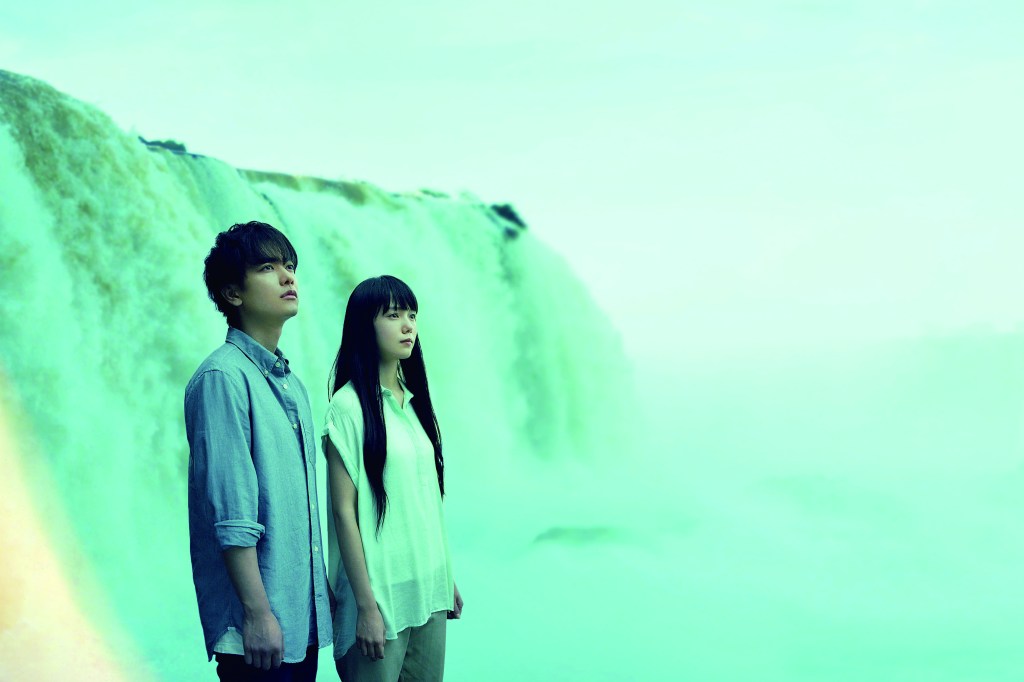
Akira Nagai, a director with a surprisingly scant filmography, perfectly captures the vibrant life forces through the couple played by Takeru Sato and Miyazaki Aoi. wistfulness, outrage, despair, and wonderment are communicated naturally through their dialogue and body language. As in many Japanese films, difficulties of communication is a prominent theme. As the inextricably entwined couple grasp at what lead to their drifting apart, or a father maintains an emotional distance from his ailing wife, it feels extremely familiar, relatable.

IF CATS DISAPPEARED… joins other contemporary films from Japan (see Daihachi Yoshida’s THE KIRISHIMA THING/桐島、部活やめるってよ) that share a love of films overtly, in the actions and conversations of characters. It is a love that becomes instantly infectious as characters meet and form disarmingly sincere connections over their passions. Interactions between the main character and his film connoisseur friend he mistakenly and repeatedly calls Tsutaya (the name of a popular chain of video stores) are quirky yet show people at their most fragile and compassionate states. They also create an urge to go out and acquaint or reacquaint oneself with classic works like Lang’s Metropolis or Wong Kar Wai’s Happy Together.

The parts of the story touched by magic realism are sparing yet rendered in eye-catching fashion, just enough to shake up the melancholy with a much welcome dose of wonderment. The music accompanying these scenes has an assured coolness about it to boot.

Boasting scenes of natural beauty, amidst the brilliance of waterfalls in Argentina or the sloping landscapes of Hokkaido, Japan, it is a film that effectively calls for us to marvel at life’s marvels, even in the face of the most wicked of curveballs thrown our way. Mr. Nagai, I eagerly await your next film.

IF CATS DISAPPEARED FROM THE WORLD received its North American premiere at this year’s New York Asian Film Festival June 24th, and will be shown again on Monday, June 25th, 9 PM at the Walter Reade Theater. Visit the Subway Cinema website for details and tickets.

MC 1: Japanese Perspectives @ NYAFF 2016

©2016 What a Wonderful Family! Film Partners_01

#modestclamoring

The New York Asian Film Festival has long been offering a sliding door peek into distant cultures and landscapes by way of programming rare and adventurous films from distant shores. Perfect for New Yorkers to get a dose of exotica without leaving city limits, one can get a quick blast by way of a day at the movies or really immerse oneself in salient aspects of a country’s culture as well as trends in its film output with repeated trips to the festival’s home of Lincoln Center’s Walter Reade Theater (June 22 – July 5) and new digs the SVA Theater (July 6 – July 9).

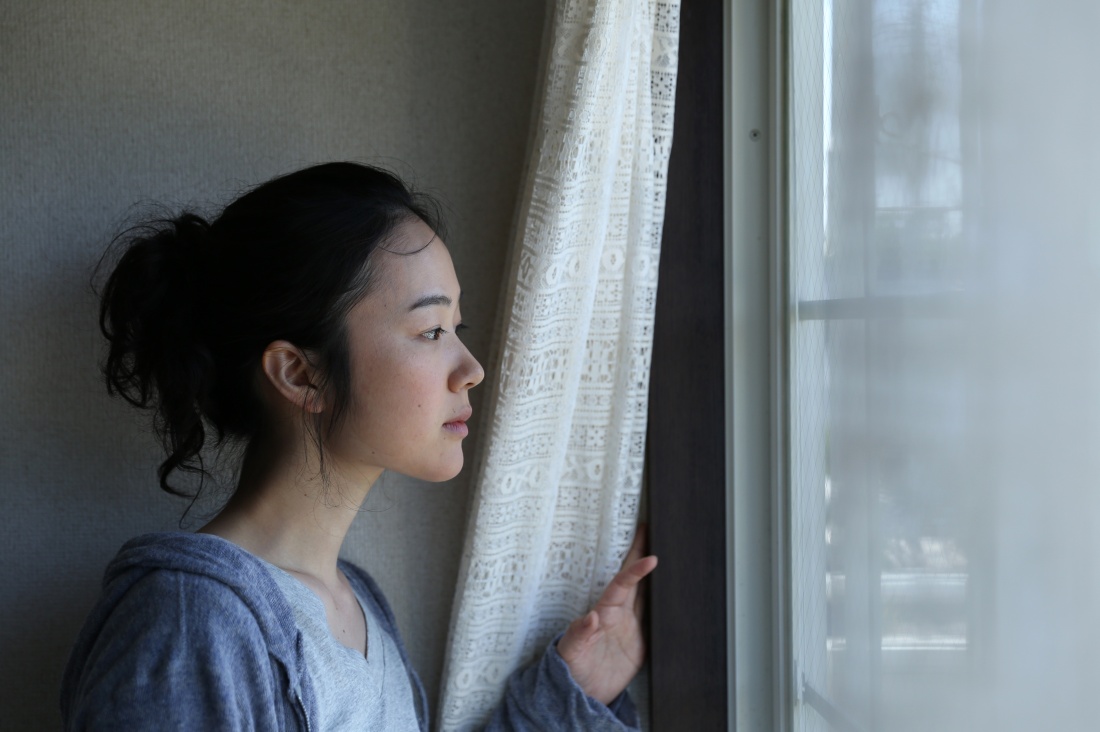
Gaining insight into Japanese culture is unavoidable after even a little time spent with its films, and this 15th anniversary edition of the NYAFF gives plenty of opportunity to do so. Below is a preview of some of the Japanese movies being shown along with some impressions. For a list of all of the movies as well as offerings from South Korea, China, Hong Kong, Taiwan, and South East Asia, visit the SUBWAY CINEMA website.

1.CREEPY

150824_0322

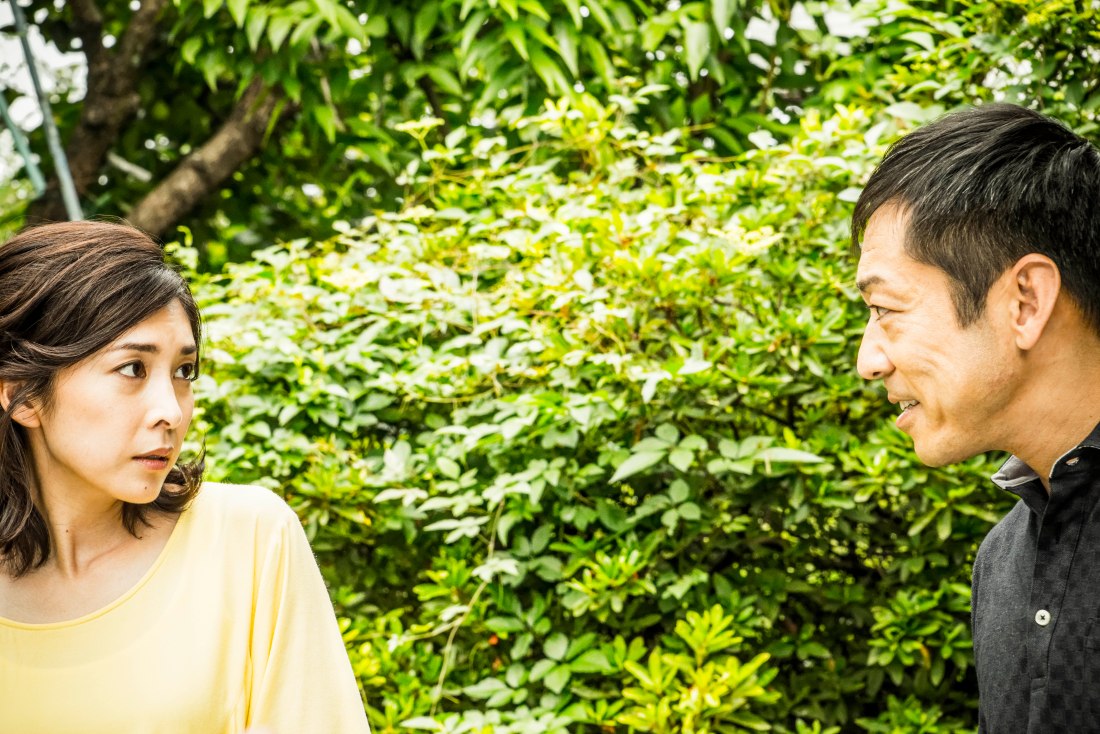
CREEPY is a psychological thriller from Kiyoshi Kurosawa that has more than a little Hitchcockian flair for suspense. Its biggest reference point, though, is probably early Kiyoshi Kurosawa with the director going back to the kind of off kilter takes on seemingly familiar terror (CURE and KAIRO) head scratching affairs that made singular lasting impressions . This return to form is all the more riveting for casting popular actor Hidetoshi Nishijima as its brooding yet fiery lead and Teruyuki Kagawa, a reliable everyman of Japanese cinema who plays the far more fun villain with maniacal glee. The film’s score dances along a highwire, sending waves of tension down the viewers’ spines. All the while, an equally accomplished sound design makes for a thorough sense of dread and foreboding. The film has its fair share of awkwardness, it is Kiyoshi Kurosawa after all, so prolonged sequences of horrid acts may cause discomfort. It is as though the director is subjecting us to the same notion of being helplessly trapped by circumstances as its flailing protagonists. Like Kurosawa’s other thrillers, CREEPY brings out existential questions of free will and the entanglements of social structures, as well as more local issues of community and the notion of being a good neighbor.


2. WHAT A WONDERFUL FAMILY

©2016 What a Wonderful Family! Film Partners_02

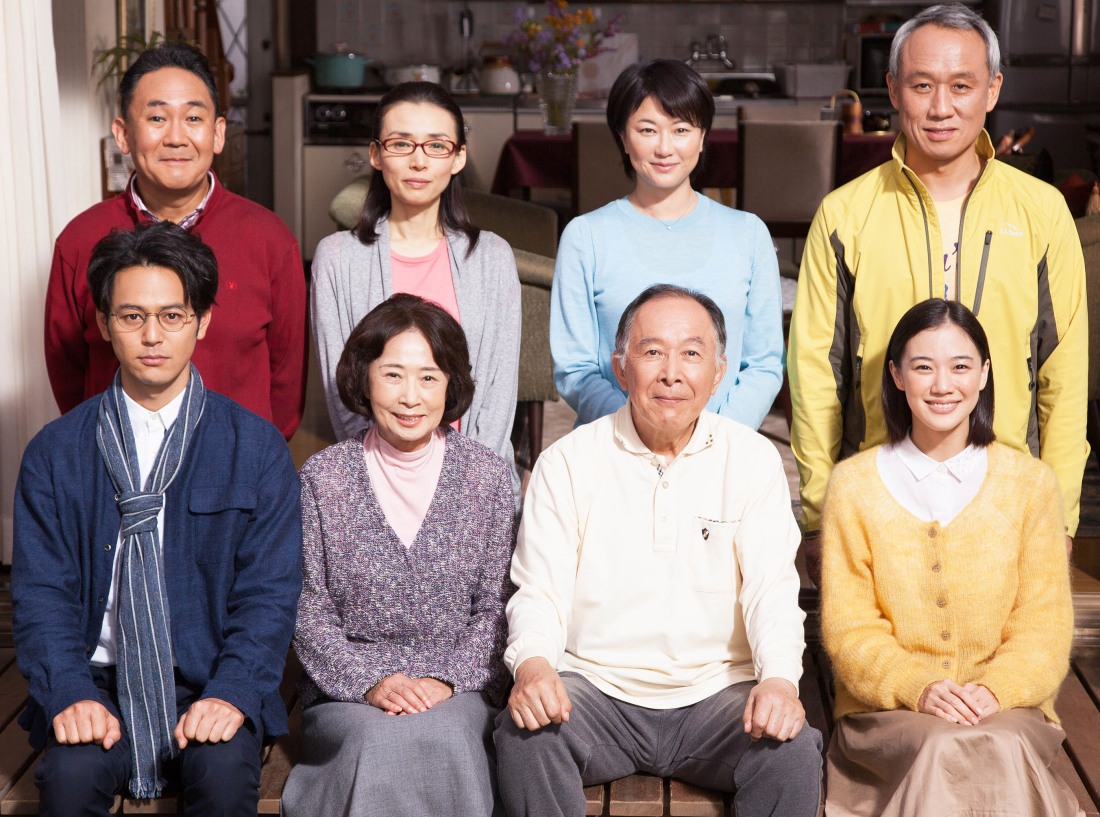
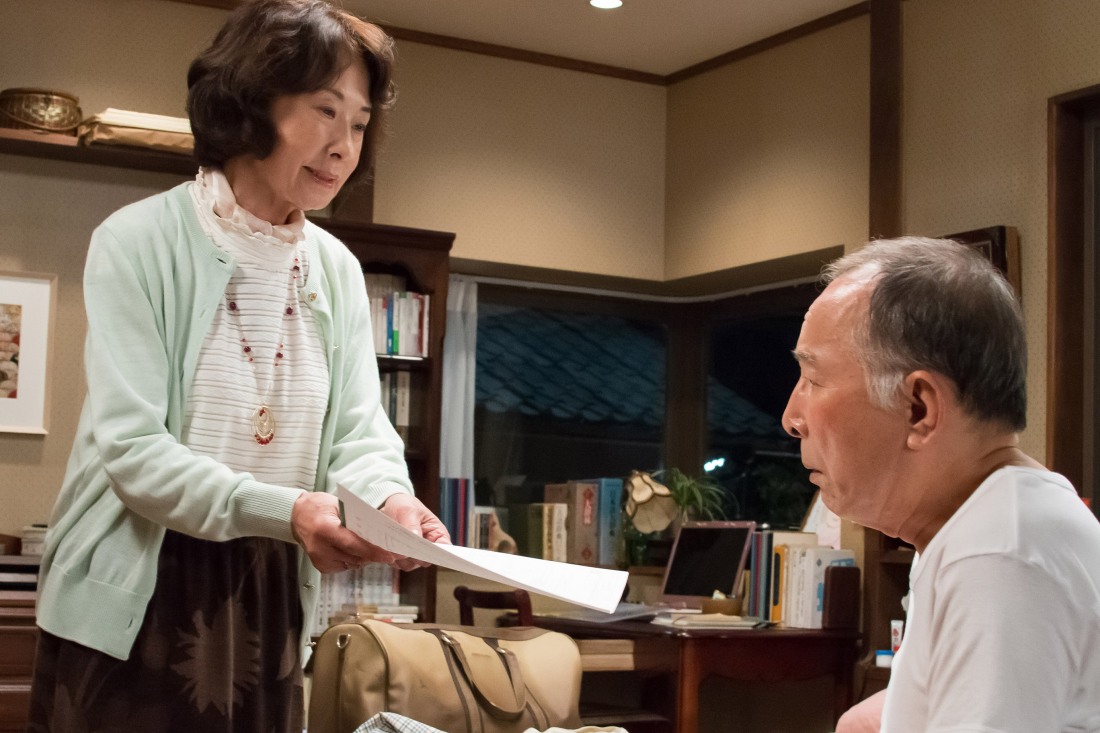
Don’t let the charming façade of WHAT A WONDERFUL FAMILY fool you into thinking it is entirely innocuous. The film similarly pokes and prods at traditionally accepted institutions of marriage and family life. The vehicle here is a light comedy focused around an increasingly rare three-generation household, whose eldest figures threaten divorce. While peppered throughout with a gentle zaniness that may seem antiquated, it slyly raises questions over values as family members’ true objections to the split are exposed. The main event is a protracted family meeting scene, which manages to be both no holds barred and civil. Everyone in the cast is on point but Hashizume Isao stands out as the family’s foible-filled patriarchal figure. He is delightfully incorrigible and a joy to watch throughout.


3. A BRIDE FOR RIP VAN WINKLE

RVW_poster

Rougher going is the nearly 3 hour BRIDE FOR RIP VAN WINKLE, the latest from iconoclastic director Shunji Iawai (who will be honored at the festival with a lifetime achievement award). It is an odyssey of sorts for its wide eyed protagonist, whose transformative journey, along with the help of a peculiar ‘fixer’ (played by Rising Star recipient Go Ayano) takes her from lonely soul in need of salvation to a savior figure. Far less subtle in its skewering of society, Iwai takes on everything from narrow minded parents to the wastefulness of a population that frowns on recycling old goods. Interesting for its strange straddling of the line between realism and storybook logic, as well as its steadfastly independent production, it can be a tough slog due to some overly long static scenes, in particular those between the main character and one played by COCCO, an actress and singer whose own real life nuances makes for compelling onscreen viewing.

4. KIYAMACHI DARUMA

kiyamachi_main

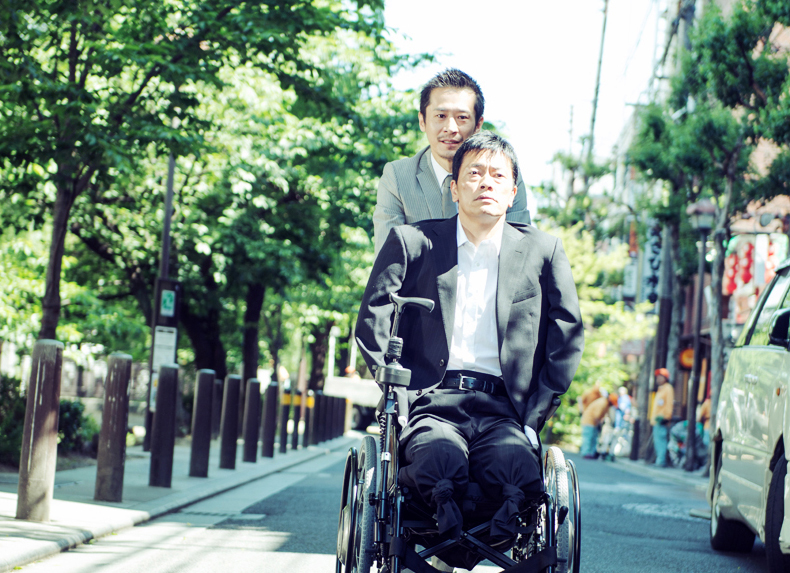
Faring less well is the more straightforward genre exercise KIYAMACHI DARUMA. Its title a reference to an ill-fated yakuza member’s limbless state, the mostly plodding narrative only occasionally engages viewers in his unthinkable plight. Although initially suggesting off color humor at the main character’s expense, the proceedings largely maintain 1 sustained note of gloom and denigration. It doesn’t help that the movie’s look is lacking in innovation, reminiscent of video nasties from the 90s (remember Guinea Pig anyone?) that lacked any substance beyond their shock factor. A few points for not pulling any punches, but this story of betrayal amidst a backdrop of criminal activity mostly shouted through by its assorted lowlife characters failed to stir much interest.


5. TETSUO: THE IRON MAN

Tetsuo_01

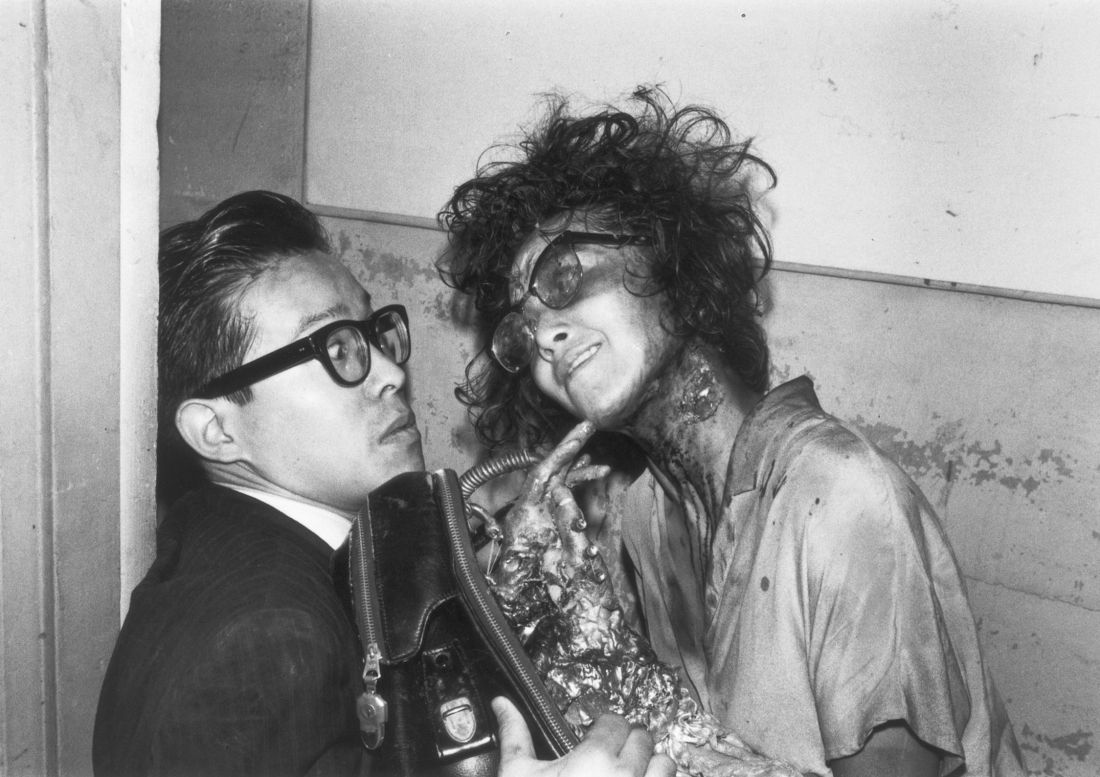
In honor of its 15th anniversary, the festival is screening a few favorites from the past, including an appropriately slotted 11 pm showing of TETSUO: THE IRON MAN. For those more interested in a visceral experience without the societal context, this was the world’s introduction to Tsukamoto Shinya’s wild imagination. It is a short blast of roughly hewn metallic imagery accompanied by a clanging and banging industrial soundtrack that tells the tale of individuals warped into industrial strength iron clad monstrosities drawn to destroying each other or the world, whichever comes first. With nods to the over the top transformation sequences in Akira, it has been recognized as a pillar of the body horror subgenre, but truly nothing has looked like this before or since. For those uninitiated, the opportunity to see the film that launched hundreds of thousands of passions for Japanese cinema, my own included should not be taken for granted.

For more information about the NEW YORK ASIAN FILM FESTIVAL, visit the SUBWAY CINEMA website.


Royal Rumblings: What if AJ Styles had a major role in the Royal Rumble?


While WWE’s output on its main roster shows have ranged from stagnant to embarrassingly hokey as of late, despite NXT remaining steadily watchable and full of promise, the landscape does have potential to become interesting, if not downright exciting. In case you somehow missed all the commotion, hot on the heels of New Japan Pro Wrestling’s annual major Wrestle Kingdom show, reports were flying that AJ Styles, Shinsuke Nakamura, and Bullet Club pillars Karl Anderson and Doc Gallows had given notice to the company with WWE contracts waiting to be signed. Other details came into focus a bit further along the way, yet all the particulars of who will be there, when, and in one capacity are yet to be determined.


Most germane to this weekend’s big Royal Rumble event, which always has a direct impact on the WWE’s focal point Wrestlemania, is the fact that AJ Styles has signed and is available to work, even teasing his appearance at an indie show. I’ve heard authorities – not Kane and J and J Security, but people highly regarded as being knowledgeable on all things pro wrestling – have read into Styles’ declaration in opposing ways. First, it seemed to be too obvious a statement to make thus eliminating his chances of being a surprise entrant into the 30-competitor match known for having at least a handful of surprise participants. Later on, I’ve seen opinions shift more to the ‘eh…maybe’ sort, perhaps feeling the fact that WWE is really hurting for intriguing developments.


With possibilities swirling about my head and being stoked over some recent AJ Styles activity (that match with Shinsuke Nakamura from Wrestle Kingdom is st, I formed a bit of a scenario involving AJ Styles that I wouldn’t go so far as calling a prediction, since WWE’s logic is vastly different than its fans, but something I do think would be very interesting and not completely out of the realm of conceivable. Even if it doesn’t happen, I would make a strong case that this could make for a very compelling Wrestlemania build and general direction for the company (though I am sure some would call my thinking delusional). Imagine if you will…


The Rumble is in full effect, and Lesnar is out of the match…Screwed over by someone who will likely be his Wrestlemania opponent in the absence of a higher profile outsider’s return. If it were up to me, this would be Kevin Owens who is ready for the big things. I know many feel this could end up being Bray Wyatt after the way the close of the most recent RAW unfolded, and it is possible but looking at Smackdown a few days later, I think the Wyatts are just meant to look like a major threat to all in the battle royale. Owens could lose his IC title match to Dean Ambrose and still come out of the night looking strong by taking out a lot of heads in the Rumble match and causing Lesnar to be eliminated in underhanded fashion…..So we get to a later point with number 1 entrant Roman Reigns hanging in but struggling, and suddenly AJ Styles is called and makes his way to the ring. He would get a huge reaction from a city that knows him quite well. He could go on to play to that babyface reaction, taking people out left and right, and forming an implied alliance with Roman Reigns. This could take them through battle with the League of Nations or The Wyatts…Probably both. And at some point during this skirmish, as the two heroes seem to be getting the upper-hand, AJ Styles would grab Reigns from behind and unceremoniously eliminate him, thus becoming the new Heavyweight Champion, and half of the main event at Wrestlemania. The victory would probably get a mixed reaction with many ‘smart’ fans being happy for Reigns to lose and especially happy to see Styles go over, but I think this would be met with a nice balance of boo’s from more mainstream fans unfamiliar with Styles that have been getting behind Reigns. The turn would be solidified with Hunter and Steph coming out to congratulate AJ Styles and reveal him as the new ‘face of the company,’ part of the plan all along.


OK, I’m already hearing the hollering about the problems with this idea. I’ll address those.


What is so dastardly about eliminating Reigns that it would get AJ over as a heel? It is an every man for himself match.


True but it could be done in such a way that Reigns did not see it coming. It would be easy for them to establish an understanding that once they eliminated the heels they would face off fair and square, making AJ appear cowardly by taking advantage of a turned back. There could even be one or two heels in the ring with him when Reigns is eliminated, who clear out after it is done, making them stooges to the Authority machine.


Authority? Aren’t you sick of the Authority?


Yes, but it is a convenient storytelling device that does not have to be thrown out completely if it serves to set up exciting things down the road. Styles being new could use their backing to put him over if he is going to be put into such a prominent spot right away like I am proposing. This is an alternative, mind you, to one of the more talked about Wrestlemania possibilities, Reigns VS Triple H, which would be that much more of an Authority retread and one with a far less credible premise for athletic competition to buy.


We are talking about WRESTLEMANIA. You do realize how many tickets this is supposed to sell? How could you possibly propose half the main event be a brand new guy in the company?


This is the hardest point to argue, based on what I know about the conventional wisdom of Wrestlemania being the WWE’s biggest event, attracting casual fans and having the pressure to sell out bigger and bigger stadiums. I could point to the fact that we once had a main event of John Cena VS The Miz. But I realize pro wrestling has been taking a beating and can’t take a built-in audience for granted.


Does this mean that only the most familiar talent can sell Wrestlemania? Not in my book. To me, the only sure thing that WWE needs is a big heap of CHANGE. A brand new star with the presentation that suggests being taken seriously could bring just that if he had the talent to back it up. AJ Styles could be just the wrestler to do it. With so many guys on the roster getting stop-start momentum, someone brand new made to look like a superstar could draw lots of positive attention otherwise alluding WWE right now.


Then, there are some other things I like about this story…


First is Styles’ incredible talent. After injuring his back, he still put on an incredible exhibition against Nakamura at Wrestle Kingdom 10. Throughout his stint in NJPW this year, he has put on incredible matches with Okada, Tanahashi, and Ibushi to name a few. There is little doubt he could bring Reigns or most any other WWE wrestler to a stellar main event match.


While Styles could be positioned to come in as a baby face, he has worked a heel persona in New Japan beautifully and could surely do so again in WWE.


If Styles were to be brought in as The Authority’s new face of the company this would be a clear message to Seth Rollins: You’re Out. This would in turn set up a baby face Rollins to return to a hero’s welcome after his injury with a legitimate gripe against The Authority. It would also establish a program between Styles and Rollins, which would be out of this world. Taking this a bit further, it could come to pass that Gallows and Anderson are brought in as a team, also under the Authority’s sphere of influence to back up Styles, which in turn could lead to a reunited Shield with Reigns, Rollins, and Ambrose realigning in their most successful from as The Shield to battle who regardless off their WWE name, we would knows as the individuals in the Bullet Club.


While there are plenty of other more likely situations, I am holding out hope we see Styles in the Rumble and something along these lines taking shape.

Mondo Sonico de Kanako: the music of THE WORLD OF KANAKO

2-TWOK-WhisperThe WORLD OF KANAKO is the latest in a line of several films helmed by Japanese director Tetsuya Nakashima, but is closest in spirit to its immediate predecessor CONFESSIONS. Both are adapted from literature, more specifically tales of a current generation of youth acting out in ways unfathomable to those that spawned them. As a result both are forced into situations of violent conflict with, and perpetual lack of understanding for, one another.
This powerful 1-2 punch of films also chronicles various individuals’ descents into hell as they are pulled into the growing vortexes of suffering by the most pained central figures around them. The downward spirals are all encompassing, and made alarmingly entertaining at times due in no small part to the diverse and meaningful palette of music Nakashima employs. Not only does his excellent taste help to complement and enhance the emotional drama in scenes, they add a playful flair to the otherwise heavy transgressions on screen. Even more so this time around, music is a trigger to underscore particular recurring themes. It is also a sign of the culture that surrounds the characters in the story, pervades their lives, no different than us the viewers.

I decided to dive into the film another time, on this occasion attempting to recreate its dizzying path with an emphasis on its sonic features. It was a harder task than I’d imagined it would be, a virtual trip down the rabbit hole, bringing to mind the same allusion made in Kanako to Alice as an escape from reality (for some pleasurable, for others a nightmare). In my pursuit I realized Nakashima’s hip soundtrack is something of a gateway to discovery of some of Japan’s elusive underground music landscapes and edgier pop. The soundtrack itself not getting its own release (a mystery since the CONFESSIONS soundtrack did and this is very much its equal), but rather bundled with the domestic release of the movie on dvd. A sole reason I can think of for keeping the soundtrack obscured is it is a collection of music that perfectly complements themes of disorientation and confusion running through the film. Old familiar songs appear but with different twists – as covers or in a strange context. Songs that approximate moods from specific time periods or genres in American culture end up being the product of Japanese artists.

After a good chunk of my mind was blown by sonic oddities like Trippple Nipples’ ‘LSD’, and I saw my Macbook Pro survive one too many flirtations with free download website that wanted to install something unknown into it, I called it a day. So while I cannot yet tell you the artist who performed the smoldering version of ‘House of the Rising Sun’ heard throughout the film, I have compiled some videos and taken some notes on how the soundtrack of WORLD OF KANAKO is an essential element of this unrefined cinematic experience.

Panis Angelicus by Cesar Franck


This mournful religious choir performance bookends the film as a pure snow comes down on a Japanese cityscape. It is a holiday that is not celebrated for religious reasons, but people are seen going through the motions of dining out with loved ones and reveling in near new years’ cheer. Meanwhile, unseemly bouts of suffering filter through, a ghastly triple murder at the outset, and a weariness of delving into so much psychic pain at its close.

Gone Away Dream by Barbara Borra

The words “A loving life and a loving home” appear as alcoholic private detective Akikazu envisions the idealized family life that is far from his grasp. It is an easygoing waltz recalling 1960’s America, sung by an apparently Italian vocalist who has performed on other Japanese OST’s before, but whose activity is elusive. The word ‘dream’ appearing right in the title is a none too subtle reference to the theme of escape from reality that plays a big role in the movie, and it is not the only song to do so. The song appears later on, ironically, as layers of humanity are stripped from an Akikazu who has been pointed in the direction of a bigger monster, given an excuse to unleash his inner demons. We see a part of him whose desire laid bare is to destroy the dream. And this he does.

Free Fall By Yoko Kanno with Ryo Nagano

A dream pop song that I could’ve been told was a product of Elliot Smith and I would’ve bought it. It is an impossibly catchy, feel good, lush tune that desperately needs to exist in its own life outside of KANAKO. But it is utterly brilliant within it, as essential to its identity as Radiohead’s ‘Last Flowers’ was to CONFESSIONS. The song appears on cue when the film flashes back to 3 years prior to the central story, a teen beset with the most teenage case of angst is seen moping, an outcast who is constantly bullied. Yet, all pain is erased by the perfectly angelic appearance of Fujishima Kanako. It is a most pristine love at first sight experience. The (cruel) joke of it is the eventual floor dropping out to reveal a hellish abyss where salvation was thought to be. The Barbara Borra track is used to similar effect, making pain that much more palpable by dangling a truly blissful sensation in front of us. It’s absence makes the heartbreak stronger.

‘Denden Passion’ by Dempagumi


Many of the more modern-sounding tracks came in a blur during an underground rave-like party scene. Here is where visual flourishes and psychedelic effects were heavily emplyed. Songs came in a blur, starting with this song that could be regarded as J-Pop on speed. Nothing serious in mind is seriously head-spinning. Print club graphics pop onto the screen imbuing adolescent cute onto a bad acid trip, as the teen crushed out on Kanako is suddenly in way over his head. Cleverly, a snippet of this mostly harmless time stamped flash in the pan is used in such a way to instill panic and anxiety around the ritual bonding of a current generation.

LSD by Tripple Nipples


The party continues, as does the descent into loss of control. And the generation gap is further emphasized with the scene and sounds feeling even more alien. Musically, it’s all obnoxious screams coated in sugar and reverb, with a rave of effects whirring around and around. This trio occupies some real estate in Tokyo’s underground music scene, but information is hard to come by about this enigmatic unit.

Fog by Daoko

The party is now starting to simmer, eyes glaze over, and another side of Kanako begins to show: the center of attention, a cult of personality… Here is another artists making cult status music on Tokyo’s cool fringe, as glitchy chip hop and stream of consciousness vocals blend into a soothing spell. It is like Kanako finding herself at ease in the hidden realm of a 3 AM drug party.

‘Rusalka – Song to the Moon’ by Antonin Dvorak


A lush mournful opera from Czech plays as illusion is shattered, the innocent at first believing he had found love realizes he is the butt of a brutal joke. Akikazu is faced with ugly truths about Kanako, about himself… Is there a connection between the opera’s theme and the events onscreen? It is interesting that Rusalka involves the daughter of a goblin considering the constant reminders that Kanako is the stuff of her father, Akikazu. Rusalka seeks love despite her form, inaccessible to humans, yet everyone wants to love Kanako. Have forces beyond her control made her into what she is? Would she be better able to love if not for he that brought her into the world?

Under the Sky by Yasushi Sasamoto


A suave flash of 70s funk that could be right out of a Blaxploitation film but is in fact performed by a Japanese band of a bygone era, which little information could be obtained about. It signals the charge into action of Akikazu and a ruthless killer for hire. When Akikazu is pointed in his direction, both go at it in a blaze of guns and machismo, and both seem to revel in the violence-filled moments, even as others around them are swallowed up by the horror. Here dreams are again a surrogate for a painful and far less glamorous reality, in which men act out gun-weilding fantasies set to a grooy soundtrack.

‘Everybody Loves Somebody’ by Dean Martin


A heart-warming sentiment that is hard to swallow after enduring the psychic pain exchanged between everyone in the film and those they are connected to. With the tension ratcheted up, the kitsch novelty brings about an expulsion of air, a loosening of the knot in one’s stomach allowing a reprieve from all of that pent up aggression as the film comes to an end. It is one of the many reminders in the film that the characters do not exist in a vacuum; the culture informs them of what their dreams should be. The gap between dream and reality is a killer.

This is but a bit of the THE WORLD OF KANAKO’s diverse soundtrack. Other genres in the mix include rockabilly, dubstep, and beautiful soundscapes, the latter also arranged by Yoko Kanno. The film is playing in select theaters across the US now, and is available on VOD. It will also be shown at Alamo Drafthouse Cinema in Yonkers December 11 through 13.

Lucha Librarian 1: Video Vortex @ Yonkers Alamo, LUCHA MEXICO @ DOC NYC

lucha mexico poster

Lucha Libre, the signature style of pro wrestling born in Mexico has come a long way since I was first attracted to the exotic masks associated with the culture as a kid. Or the days when access to it was limited to fuzzy transmissions on touch and go cable tv stations in the high numbers on Saturday afternoons (with no DVR to capture it for later viewing).

Now the phenomenon is far more accessible to the public at large. A few generations have grown up with icons of the style who have worked in the major North American pro wrestling organizations WWE and once upon a time WCW (Rey Mysterio, Eddie Guerrero, Psichosis, Sin Cara and presently Alberto Del Rio, Kalisto). The recent television show Lucha Underground, which includes Roberto Rodriguez in its cast of producers, appeared on the cable channel El Rey bringing important figures active in the sport in the Mexican promotion AAA together with wrestlers from the US Indy scene and former WWE workers, in a highly stylized program with intensive production. It is currently gearing up for a second season. Those wanting to dig a little deeper could find the words of a Lucha Libre luminary, Konan (one K-Dog in the WCW’s popular NOW faction) transmitted via podcast on a regular basis through the MLW family of shows. He is also behind the scenes at AAA and Lucha Underground.

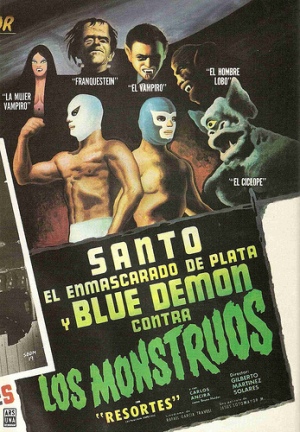
santo blue demon monster

This is a good week for young and old fans alike in the New York City area to celebrate their love of the unique form of entertainment. At the Alamo Drafthouse Theater in Yonkers, New York on Wednesday November 11 (note: TONIGHT) their always bonkers series Video Vortex, which shows old and rare movies direct from VHS to screen, will show SANTO AND BLUE DEMON VS THE MONSTERS. You can bet the ‘monsters’ will be in trouble in this special tag team match, which will highlight the amazing connection between Mexico’s film industry and pro wrestling, and show the celebrity status these masked figures of the sport achieved. Video Vortex screenings are always just a dollar(!) but bring finances for the delicious food and beer options. Plus some spending cash on the table of VHS and dvd oddities for sale before and after the screening, usually set up right in the theater. It is always good to show up a half hour before start time (8 pm) too to take in a stellar preshow reel, which this time is sure to include trailers of other lucha libre movie classics.

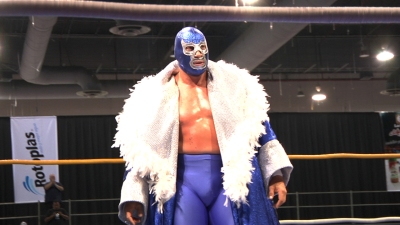
Blue Demon_LUCHA MEXICO

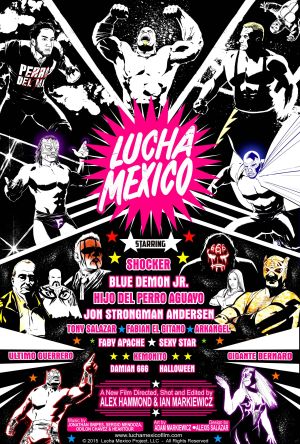
LUCHA MEXICO is a documentary featured at this year’s DOC NYC festival of documentary movies. It will be screened on at 9:45 Friday, November 13 at the IFC Theater in the West Village with director and writer Alex Hammond and Ian Markiewicz, as well as subjects and real luchadors Shocker and Jon Strongman in attendance. An additional screening will take place 4:45 on Wednesday, November 18 at Bow Tie Cinemas in Chelsea, where only Hammond and Markiewicz are scheduled to appear.

It is an ambitious film covering a lot of aspects of lucha, including its history, the perils and prestige of those in the sport, and behind the scenes aspects of the business. One meets a colorful cast of characters ranging across generations, though there is a strong focus on Shocker and Strongman. While not entirely focused (it is not quite a history of the sport and not quite a biopic on Shocker though at times feels like it could be either of those things) it is a pleasure to take in the beautifully captured visuals that look better than much of those tv broadcasts I snuck in ages ago. Fans, especially those new to lucha stand to learn a lot. The colorful cast of characters also speak volumes for themselves. One gets a sense of how vividly different the scene in Mexico is from the mainstream wrestling products in the US, with strong female wrestlers like Fabe Apache and Sexy Star, and Mini-Estrellas like the KeMonito all getting a bit of representation.

SEXY_FABY_LUCHA MEXICO

The movie also gives a strong sense of how deeply rooted lucha libre is to the Mexican cultural identity, with the top stars presented here seeming just as at home doing shows in large arenas and open air exhibitions in more remote villages. The vibrant colors that lighten the more dilapidated locales are breathtaking. The doc also boasts a smart, snazzy soundtrack embodying the melding of tradition and style, which is especially effective over some montages toward the feature’s end. One must stick around for a very smooth and smart title sequence animation over the end credits.

A lot of the footage may feel dated for those keeping up with Mexico’s largest brands and talent featured in them. However, an updating of events definitely occurred, as the movie focuses a bit on the recent tragic passing of Perro Aguayo Jr. during a match. This is spiced into the film seamlessly, and while sad, presents Aguayo and his risk taking peers as heroes.